




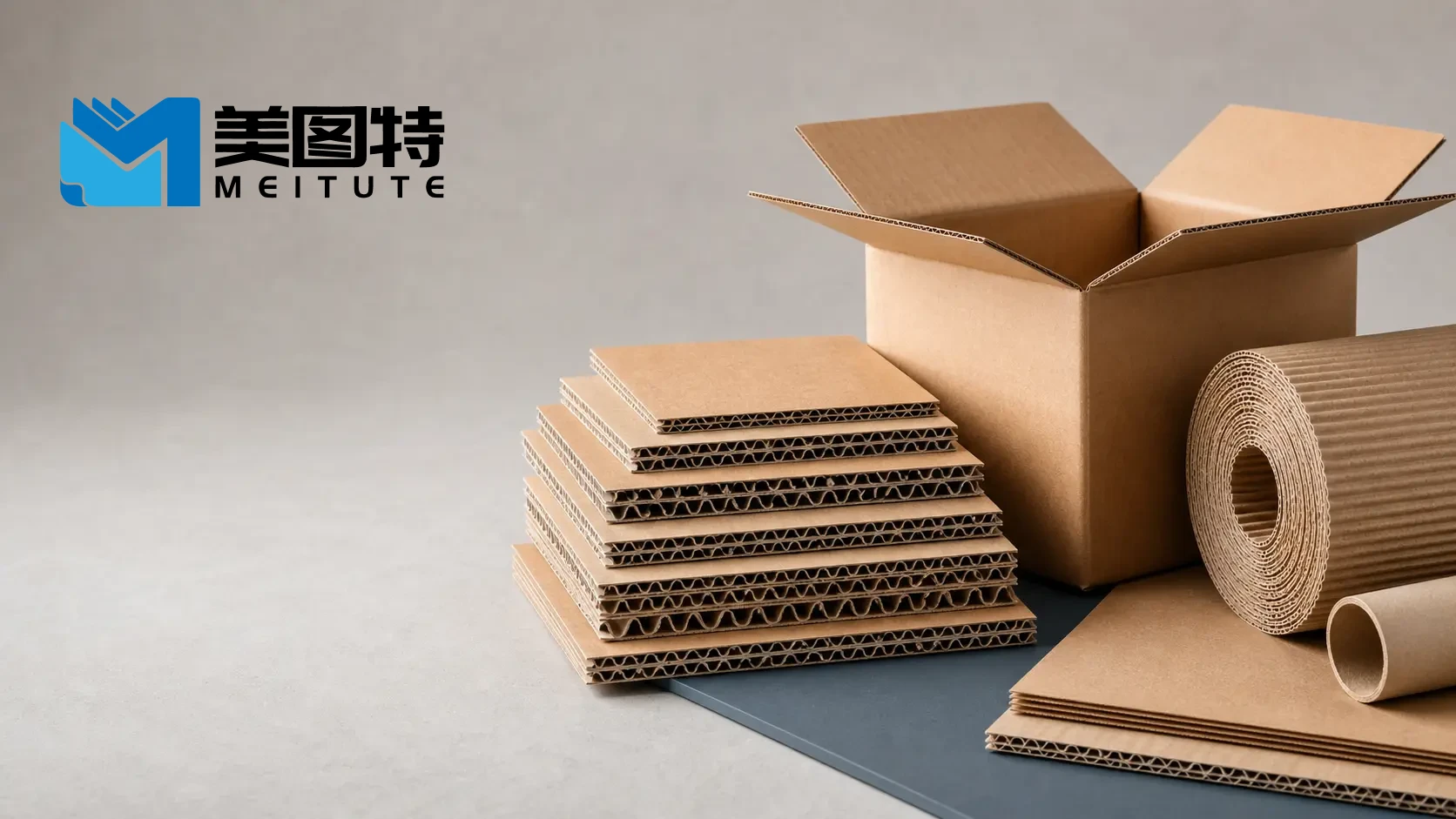
Carton selection should not be based on appearance or layer count alone. The paper combination, flute profile, product weight, and logistics environment all affect the final load and compression performance. A reliable selection starts with the actual shipping scene and works back to the board structure.
Start with the shipping environment
Single-wall cartons are often suitable for lighter products, shorter routes, limited stacking, and standard parcel handling. They offer lower weight and easier handling, which can be useful for small e-commerce parcels and inner packs.
Double-wall board provides more reserve for heavier products, longer routes, and multi-layer stacking. More layers are not automatically better; the structure should match the real loads and environmental changes the carton will face.
Understand the trade-offs between board and flute types
Single-wall board uses one corrugated medium between two liners, while double-wall board combines two mediums with three liners. Double wall normally provides more compression and impact reserve, but it also increases carton weight and storage volume.
- Fine flutes often support a smoother print surface and better dimensional stability.
- Coarser flutes can provide more cushioning and compression reserve for heavier products.
- Combined flute structures balance compression, cushioning, printability, and space more broadly.
Specify more than the layer count
Procurement documents should capture board structure, flute type, paper combination, edge-crush or burst requirements, and permitted dimensional tolerances. For repeat orders, retain the approved sample and batch acceptance criteria so “same layer count” does not become an uncontrolled material substitution.
Use actual packing, stacking, and transport trials to confirm the final choice. When structural parameters are tied to the application, a carton becomes reliable transport protection rather than just a size container.

